
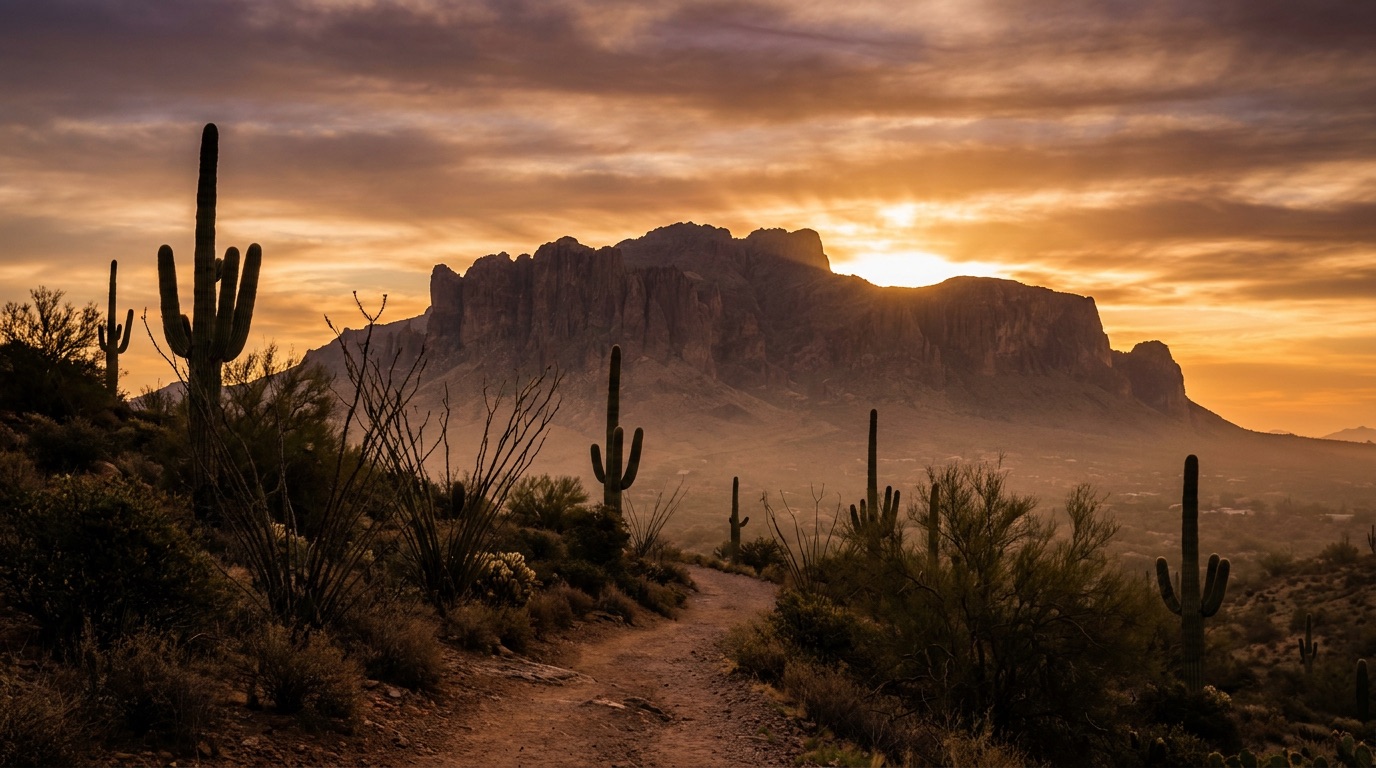
Of all the ways to spend a few hours in Phoenix, the Desert Botanical Garden is the one locals send visitors to first — and then quietly keep going back to themselves. Tucked into the red buttes of Papago Park, right next to the Phoenix Zoo, it's 140-odd acres of the Sonoran Desert curated and labeled and made walkable, so the same saguaros and wildflowers you'd sweat through miles of trail to find are laid out along shaded paths with a bench when you need one. It's part garden, part outdoor museum, and one of the best introductions to the desert you'll get anywhere in the Valley.
What it actually is
The Desert Botanical Garden isn't a manicured rose garden that happens to be in Arizona — it's a living collection of desert plants from the Sonoran and deserts around the world, one of the largest of its kind. You come here to understand the landscape you're living in: towering saguaros, spiny ocotillo, agave, prickly pear, barrel cactus, and dozens of species you'd never learn the names of on your own, all identified and set in context. It sits inside Papago Park, the same easy-going park that holds Hole-in-the-Rock and a web of gentle trails, so it pairs naturally with a wider morning outdoors.
The permanent trails
The Garden is built around a handful of looping trails, and the beauty of it is that they're all short, well-paved, and layered with meaning. The main desert loop walks you through a dense stand of saguaros and classic Sonoran plants — the postcard version of the desert, minus the risk of stepping on something. A wildflower loop comes alive in spring with desert blooms and the pollinators that chase them. And an ethnobotanical trail — plants and people — tells the story of how the desert's original inhabitants used these same plants for food, shelter, medicine, and tools, which is the sort of thing that makes you look at a mesquite tree differently for the rest of your life. None of the loops is long or strenuous; you can do the highlights in an hour or linger for three.
Beat the heat: when to go
This is desert, and the Garden is largely open-air, so timing matters as much as it does on any Valley trail. From late spring through early fall, go early — the Garden opens in the morning for a reason, and the plants, the light, and your own stamina are all at their best before the sun gets overhead. In the cooler months, roughly October through April, almost any time of day is pleasant and the place is at its most comfortable. And keep an eye out for the after-dark and extended-evening programming the Garden runs seasonally, when the desert cools off and the paths get lit — a summer evening slot is one of the few ways to enjoy this in July without wilting. As anywhere outdoors in Phoenix, bring water, wear a hat and sunscreen, and treat midday summer heat with respect. Our guide to the best easy hikes in Phoenix covers the same heat-timing logic for the trails just outside the gate.
Seasonal highlights worth planning around
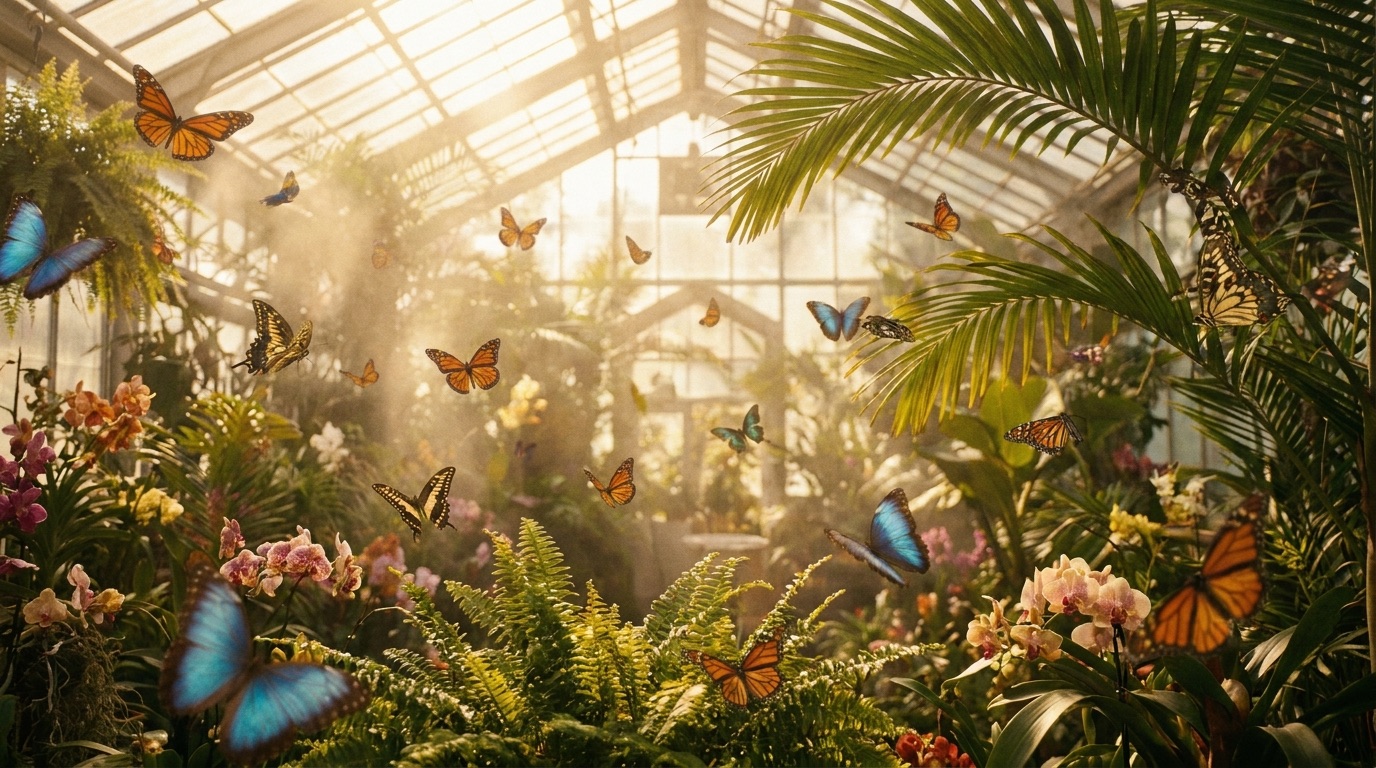
Part of what keeps locals coming back is that the Garden changes with the calendar. Spring brings the wildflowers — the short, spectacular window when the desert erupts in color and the whole place is at its showiest. Warm months usually bring a seasonal butterfly exhibit, a netted pavilion where you can walk among live butterflies, which is a reliable hit with kids. And the winter holidays bring the Garden's signature tradition: thousands of luminaria bags lighting the paths on select evenings, a decades-running ritual that's become one of the most beloved holiday outings in Phoenix. Because dates, hours, admission, and special exhibits all shift through the year — and popular evenings sell out — check the Garden's official website for the current calendar before you go rather than relying on any fixed schedule. It's genuinely the one piece of homework this outing needs.
Tips for a great visit
A few things locals know. Go for the light: early morning and the hour before close are when the desert glows and the photos take themselves — the same golden-hour instinct we lay out in where to watch the sunset in Phoenix. Wear real walking shoes; the paths are paved and largely stroller- and wheelchair-friendly, but you'll cover more ground than you expect. If you think you'll come back more than twice in a year — and between the wildflowers, the butterflies, and the luminarias, plenty of people do — a membership tends to pay for itself. And since you're already in Papago Park, make a half-day of it: the Phoenix Zoo is next door, and Hole-in-the-Rock and the park's easy loops are a short stroll away, which also makes the Garden a quietly excellent date night when the evening hours are running.
The bottom line
The Desert Botanical Garden is the rare attraction that works for a first-time visitor, a family with restless kids, a photographer, and a couple looking for an unhurried evening — all at once. Come early or come in the cool months, check the official calendar for whatever season you're in, and give yourself more time than you think you'll need. It's the fastest way to fall for the Sonoran Desert without earning it the hard way.
Run or know a Phoenix-area business that helps people get outside and enjoy the desert — a tour, a nursery, a gear shop, a guide? Tell us about it or nominate it to be featured — we're always looking for the Valley's best. And if you're still filling out the weekend, browse our roundup of free things to do in Phoenix.