
Hiring a personal trainer in Phoenix is one of the better investments you can make in yourself — and one of the easiest to get wrong. Unlike a roofer or an electrician, a personal trainer in Arizona doesn't need a state license to hang out a shingle, which means the range of quality is enormous. Some are genuinely educated coaches who will change how your body moves for the rest of your life. Others watched some videos and printed a business card. The good news is that telling them apart is not hard once you know what to look at. Here's how to choose a personal trainer in Phoenix you can actually trust with your time, your money, and your body.
Certification is the credential — verify it
Because there's no state license for trainers, a nationally recognized certification is the closest thing to a baseline you have. The ones that carry real weight are accredited programs like NASM (National Academy of Sports Medicine), ACE (American Council on Exercise), the NSCA (National Strength and Conditioning Association, whose CSCS is the gold standard for strength work), ACSM (American College of Sports Medicine), and ISSA. Any of these means the trainer sat for a real exam and has to keep the credential current with continuing education.
Two more you should insist on: a current CPR/AED certification and liability insurance. A serious trainer keeps both, no exceptions — they're supervising you under physical stress, and if something goes wrong you want someone who's prepared and covered. Ask which certifications they hold, then don't be shy about confirming it; the certifying bodies let you verify a credential, and a real coach is proud to be checked. Someone who gets cagey when you ask what letters are behind their name has told you what you need to know.
Match the trainer to your actual goal
The best trainer for a marathoner is rarely the best trainer for someone rehabbing a bad shoulder, and neither may be right for a 55-year-old who just wants to get strong and stay off the surgeon's table. Trainers specialize — fat loss, strength and powerlifting, sport-specific performance, pre- and post-natal, senior fitness, injury recovery and corrective exercise, mobility. Get clear on your own goal first, then ask a prospective trainer how many clients they've worked with who wanted the same thing, and what that program actually looked like.
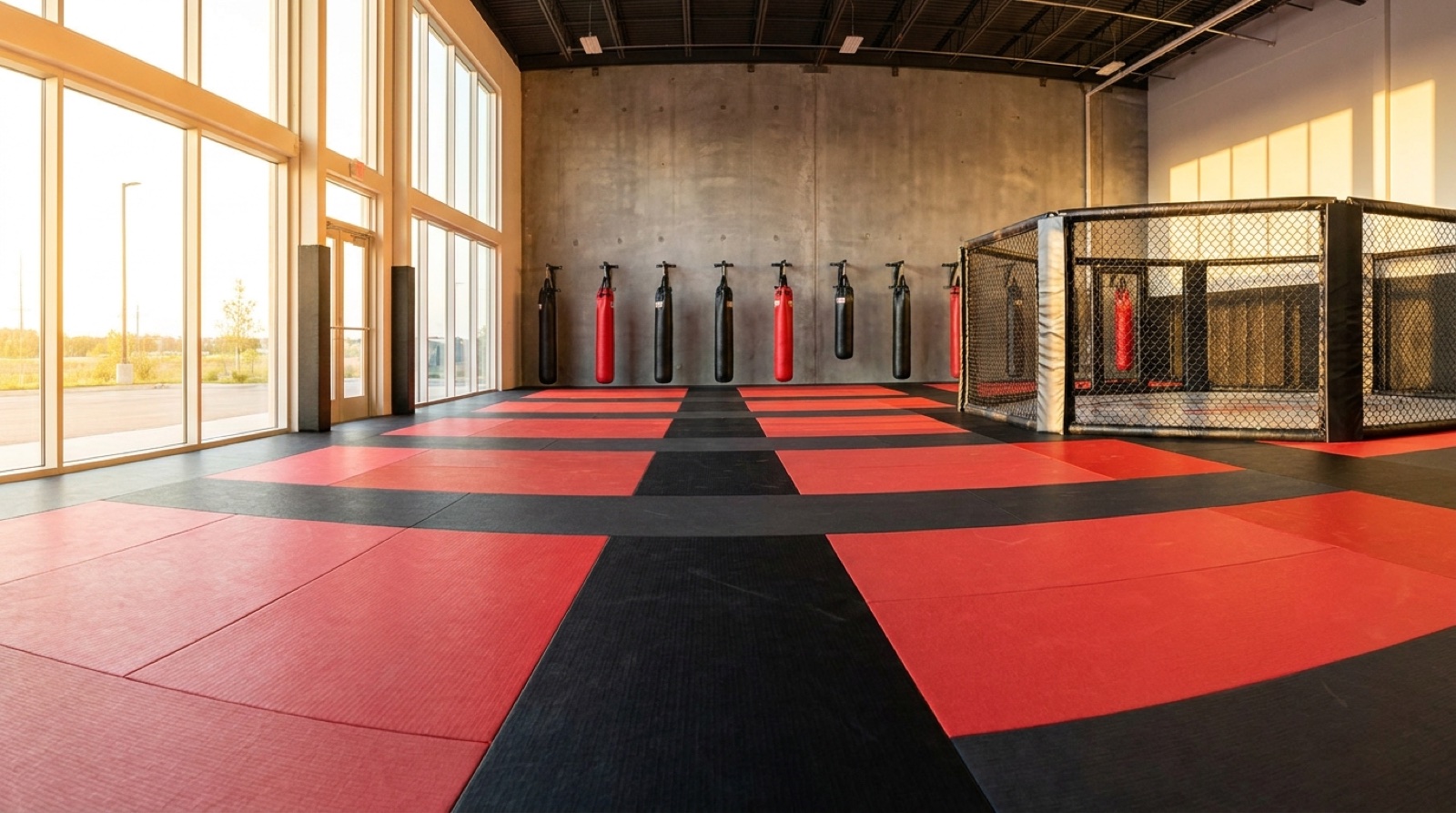
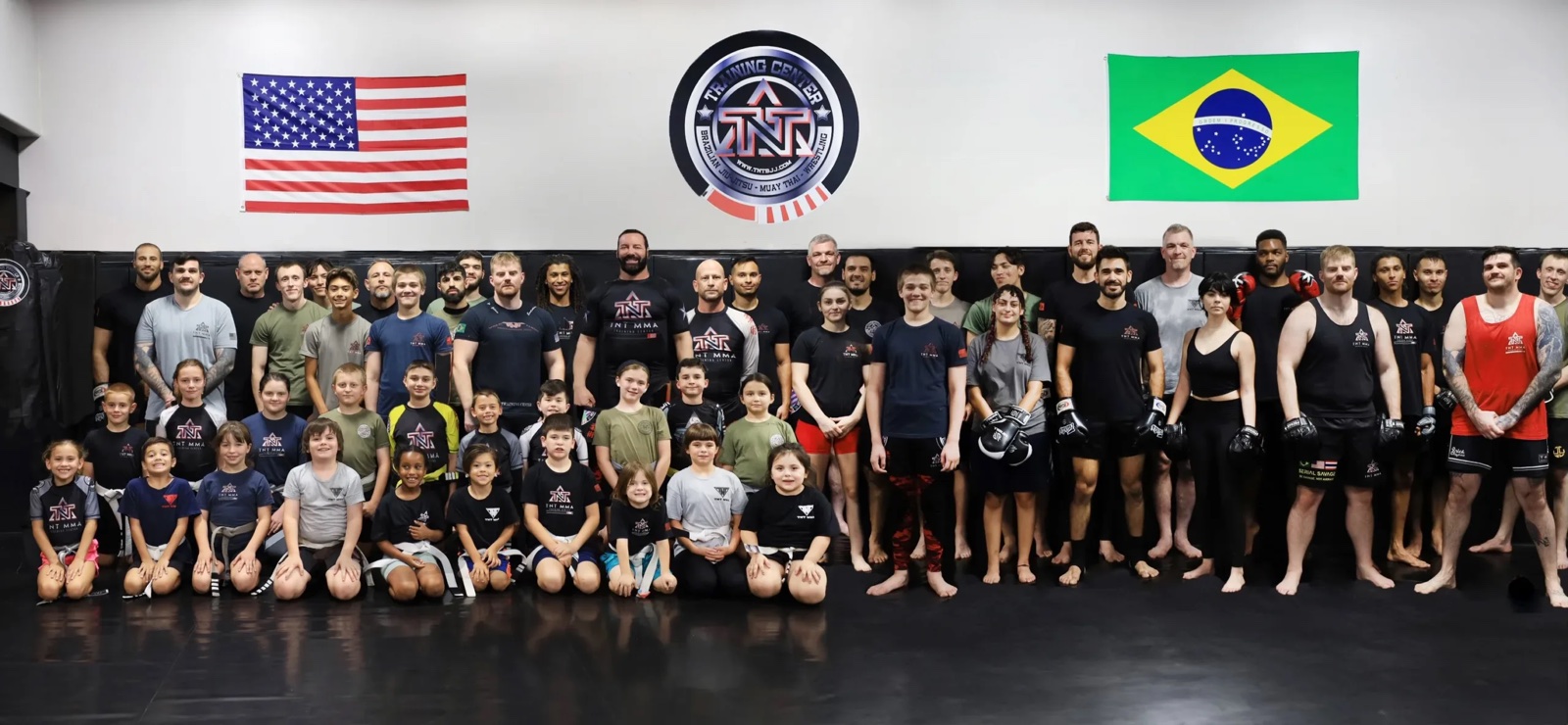
If you're chasing something specialized — coming back from an injury, training for a specific sport, or building real grappling and self-defense skill — you may be better served by a specialist or a dedicated gym than a generalist at a big-box chain. Our spotlight on TNT MMA Training Center is a good example of what credentialed, experience-backed coaching looks like when the room is built around one thing done well.
The Phoenix factor: training in the heat
Training in the Valley comes with a variable most of the country never thinks about: from late spring through early fall, the middle of the day is genuinely dangerous for hard outdoor exercise. A trainer who's good at their job here plans around it. That means outdoor sessions scheduled for the cool of early morning or after sunset, an honest emphasis on hydration and electrolytes, watching you for the early signs of heat exhaustion, and moving the workout indoors to the AC when a heat warning is up rather than pushing through it for the sake of the plan.
Ask a prospective trainer directly how they handle summer. The answer tells you whether they actually understand the environment they're coaching in, or whether they'll have you doing sprints on asphalt at noon in July. It's the same slow-down-and-respect-the-climate instinct we recommend for choosing a Phoenix roofer or telling a garage door repair from a replacement — the desert punishes anyone who ignores it.
What a good first session actually looks like
The intro session or consultation is the real audition, and there's a clear tell: a good trainer starts by asking and assessing, not by exhausting you. Expect questions about your history, past injuries, medications, sleep, and what you're actually trying to accomplish, followed by some kind of movement assessment — watching how you squat, hinge, and move before loading you up. A trainer who runs you into the ground on day one to prove how hard they are is showing off, not coaching.
You're also screening for how they treat you as a person. Do they explain *why* you're doing an exercise, correct your form patiently, and adjust when something hurts? Or do they count reps while looking at their phone? A great coach is a teacher first — you should be a little more independent and a little more knowledgeable after every session, not more dependent.
Questions to ask (and the red flags to walk from)
A few direct questions sort the field fast. What certifications do you hold, and are you CPR-certified and insured? Who's your typical client, and have you trained people with my goal? How do you handle summer heat here? What does a program look like beyond just showing up — do you give me nutrition guidance or a plan for the days we don't train? How do sessions and packages work, and what's your cancellation policy? And can I talk to a current or former client?
Then watch for the red flags. Be wary of anyone who guarantees a specific result by a specific date, pushes supplements or a "transformation" package hard on the first meeting, can't or won't name a real certification, or leans on high-pressure, sign-today urgency. Pricing varies a lot in the Valley — independent trainers, studios, and big gyms all price differently — so get the structure in writing and never feel rushed into a large prepaid block before you've trained with someone even once. As with any pro, urgency is a sales tactic, and slowing down costs you nothing.
The bottom line
A good Phoenix personal trainer is a credentialed teacher who matches your goal, respects the heat, assesses before they load you up, and makes you more capable and more independent over time. Verify the certification, watch how the first session feels, ask the plain questions, and treat guarantees and same-day pressure as information. Do that and you'll skip the coin flip most people take.
Run or train at a Phoenix-area gym, studio, or training practice that does honest, top-tier work and actually develops people? Tell us about it or nominate it to be featured — we're always looking for the Valley's best. And if you're new to the area, browse our guides to the best easy hikes in Phoenix and things to do around Phoenix while you settle in.